The Role of Roofing in Storm Protection
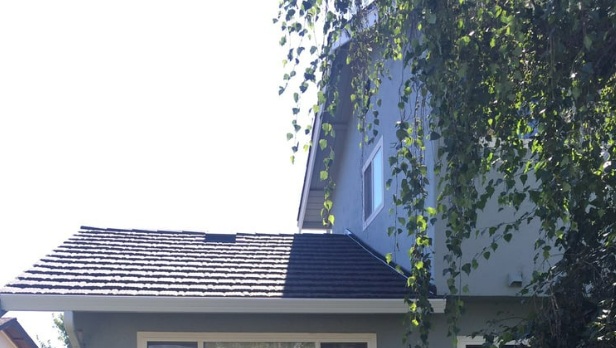
Storm protection starts long before severe weather arrives, and the roof plays one of the most important roles in keeping a home secure. For homeowners looking into Sunnyvale, CA roofing, understanding how roofing systems contribute to storm readiness helps guide better long-term decisions. A roof is not just a covering, it is a critical barrier that protects the structure, interior spaces, and the people inside.
As weather patterns become less predictable, homeowners are paying closer attention to how their roofing systems perform under pressure. Roofing design, material selection, and system planning all influence how well a home handles storms. In the middle of these conversations, Cal-Pac Roofing helps homeowners understand how a well-planned roofing system supports safety, stability, and confidence during severe weather conditions.
Roofing as the First Line of Defense
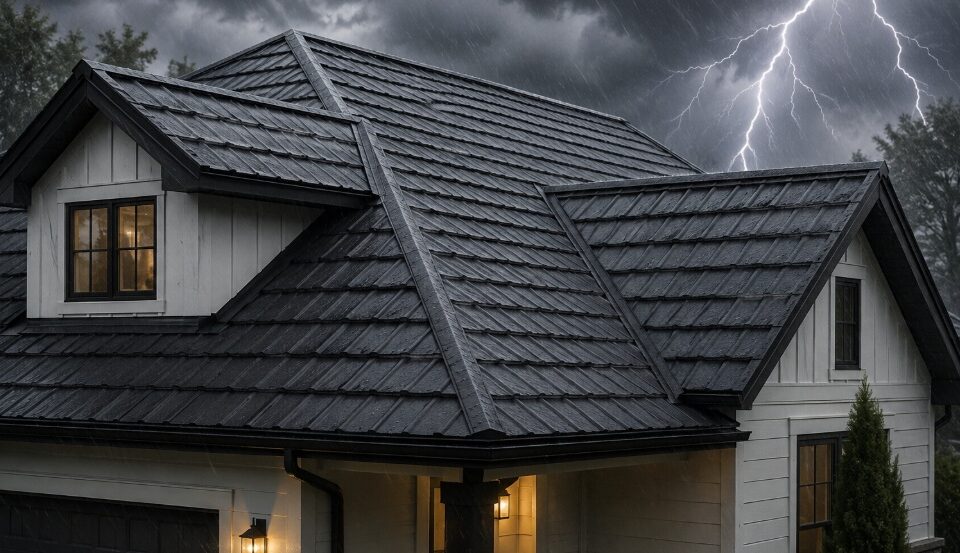
A roof is the primary shield between a home and storm-related elements such as heavy rain, wind, and flying debris. Its role begins with maintaining a tight, consistent surface that prevents water intrusion and limits exposure to damaging forces. When a roofing system performs as intended, it helps protect everything beneath it.
Storm protection depends on more than surface materials. The way roofing components are assembled and integrated plays a major role in how the roof responds to stress. A properly designed roofing system distributes pressure evenly and maintains its integrity when weather conditions intensify.
Homeowners benefit from understanding that storm protection is built into the system, not added later. A roof designed with performance in mind contributes to overall home safety during challenging conditions.
Wind and Weather Resistance Matter
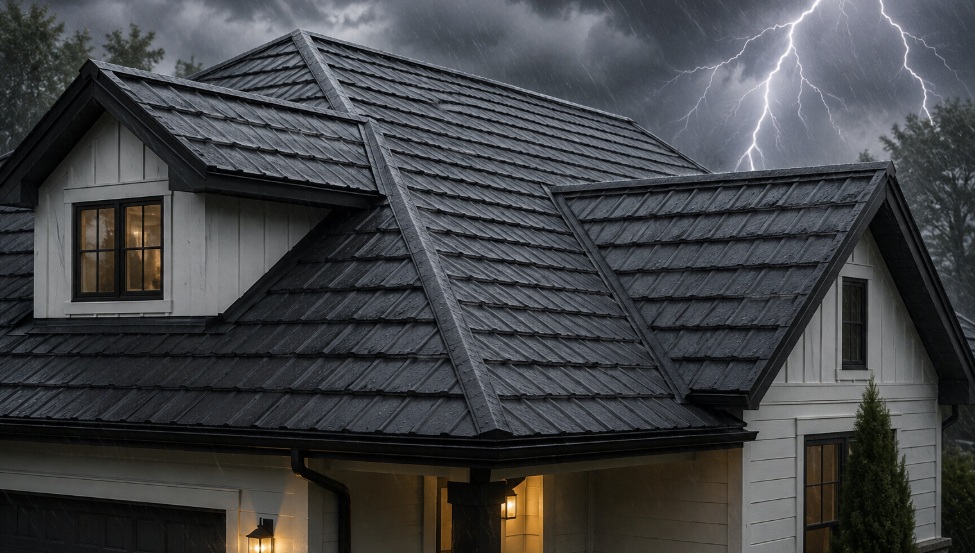
Strong winds are one of the most common challenges during storms, and roofing systems must be prepared to handle them. Roofing materials that are engineered for stability help reduce the risk of movement or displacement when wind speeds increase.
Weather resistance also includes how a roof manages prolonged exposure to moisture. Effective water shedding and tight sealing help prevent moisture from penetrating the structure. This capability supports long-term protection and reduces the likelihood of interior damage during extended storms.
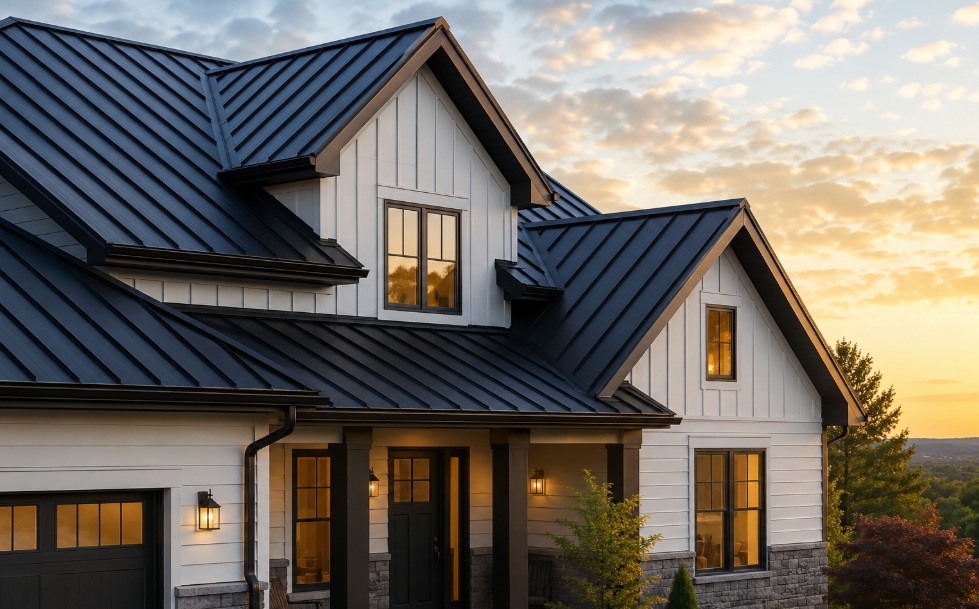
Many homeowners research how different roofing materials respond to these conditions. Educational content such as exploring the benefits of metal roofing for storm protection provides insight into why system performance matters during severe weather events.
The Importance of System Design
Storm protection is strongest when roofing is approached as a complete system. Each layer contributes to overall performance, from surface materials to underlying components that manage moisture and airflow. When these elements work together, the roof responds more effectively to storm conditions.
Underlayment is a key part of this system-based approach. It adds an extra layer of protection beneath the roofing material, helping manage water and support consistent performance. Advanced underlayment options play a crucial role in reinforcing storm readiness.
By focusing on system design rather than isolated components, homeowners gain a roofing solution that supports durability and stability during severe weather.
Material Choices and Storm Performance
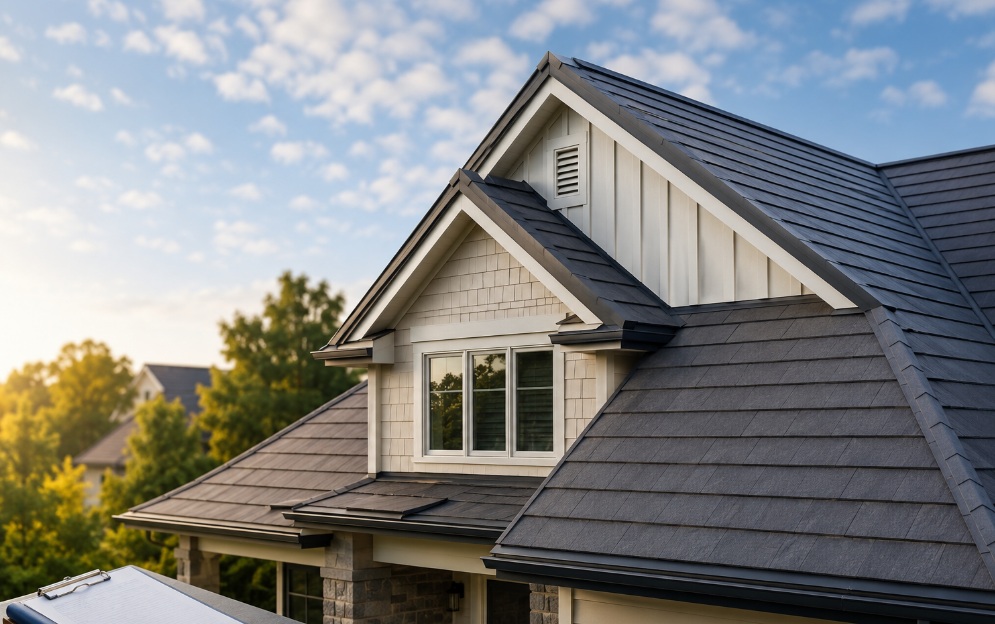
Material selection has a direct impact on how well a roof protects a home during storms. Some materials are better suited to withstand repeated exposure to harsh conditions without losing their structural integrity. These materials help maintain consistent protection even as weather patterns change.
Modern roofing materials are designed with performance in mind. They are tested for resistance to wind, moisture, and impact, which helps homeowners feel confident in their roofing decisions. Choosing materials that align with storm protection goals supports long-term peace of mind.
Homeowners often compare options to understand how materials perform over time. Resources like why metal roofs are a smart investment explain how durability and storm readiness work together to protect a home.
Planning Ahead for Storm Readiness
Storm protection is most effective when it is part of a proactive plan. Homeowners who think ahead are better prepared to handle severe weather without unnecessary stress. Roofing decisions made with storm readiness in mind support safety and long-term performance.
Planning includes understanding how roofing systems age, how materials respond to environmental stress, and how design choices affect protection. This knowledge helps homeowners set realistic expectations and choose solutions that align with their priorities.
A roof designed for storm protection contributes to overall home resilience. It allows homeowners to focus on preparedness rather than uncertainty when weather conditions worsen.
Roofing plays a vital role in protecting homes during storms by combining strength, system design, and thoughtful material selection. For homeowners considering Sunnyvale, CA roofing, Cal-Pac Roofing offers guidance rooted in experience and long-term performance. When planning for storm protection and dependable roofing solutions, starting the conversation through our consultation page is the right step toward a roof built to support safety and confidence.