Exploring Modern Trends in Residential Roofing
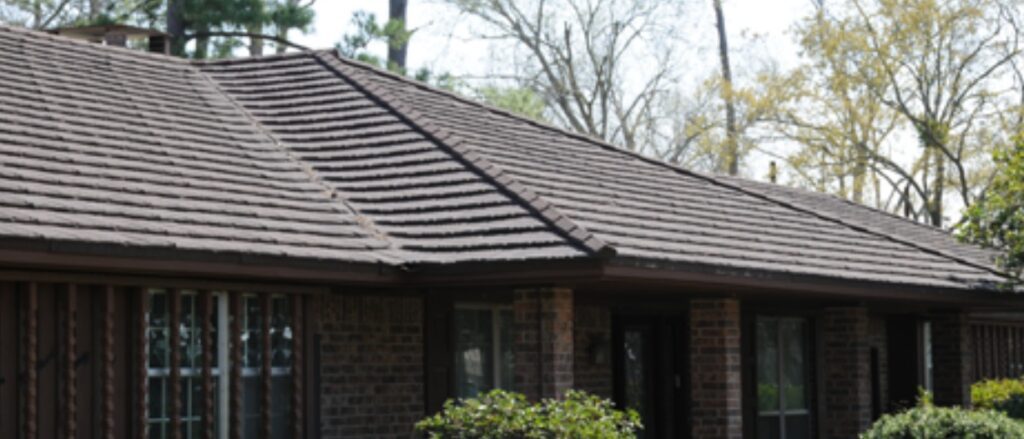
Residential roofing has changed significantly as homeowners look for materials and designs that balance performance, efficiency, and long-term value. In areas like Santa Clara, CA roofing projects, the focus has shifted toward solutions that handle changing weather conditions while supporting modern architectural styles. These trends are not about short-term looks. They reflect how homeowners think about protection, sustainability, and overall home performance.
As roofing systems evolve, the conversation is no longer limited to surface materials alone. Homeowners are paying closer attention to how each component works together, from structural support to ventilation and moisture control. At Cal-Pac Roofing, we see these decisions guided by a desire for reliability, efficiency, and materials that align with contemporary home design without sacrificing long-term confidence.
The Shift Toward Long-Lasting Roofing Materials
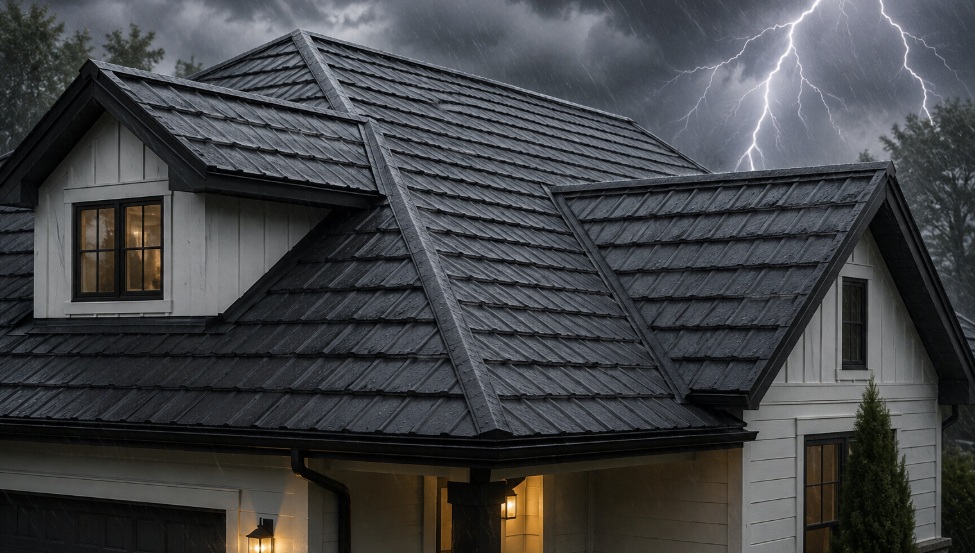
One of the most noticeable trends in residential roofing is the growing preference for materials designed to last for decades. Homeowners are moving away from options that require frequent attention and toward roofing systems known for structural stability and consistent performance. This shift is driven by practical thinking rather than appearance alone.
Modern roofing materials are engineered to withstand varied conditions while maintaining their form and function. This reliability reduces long-term concerns and allows homeowners to focus on enjoying their homes rather than worrying about what is overhead. These materials are also lighter than many traditional options, which helps support overall structural integrity.
Another reason for this shift is predictability. Homeowners want roofing systems that perform consistently year after year. By choosing materials with proven performance records, they gain peace of mind and a clearer understanding of how their roof supports the rest of the home over time.
Energy Efficiency as a Design Priority
Energy awareness has become central to residential roofing decisions. Homeowners now recognize that roofing plays a direct role in indoor comfort and energy use. Modern roofing systems are designed to reflect heat, manage airflow, and support stable interior temperatures throughout the year.
This trend aligns with broader home efficiency goals. A well-designed roof helps regulate how heat enters and exits a home, reducing strain on heating and cooling systems. Over time, this supports a more balanced indoor environment and contributes to overall household efficiency.
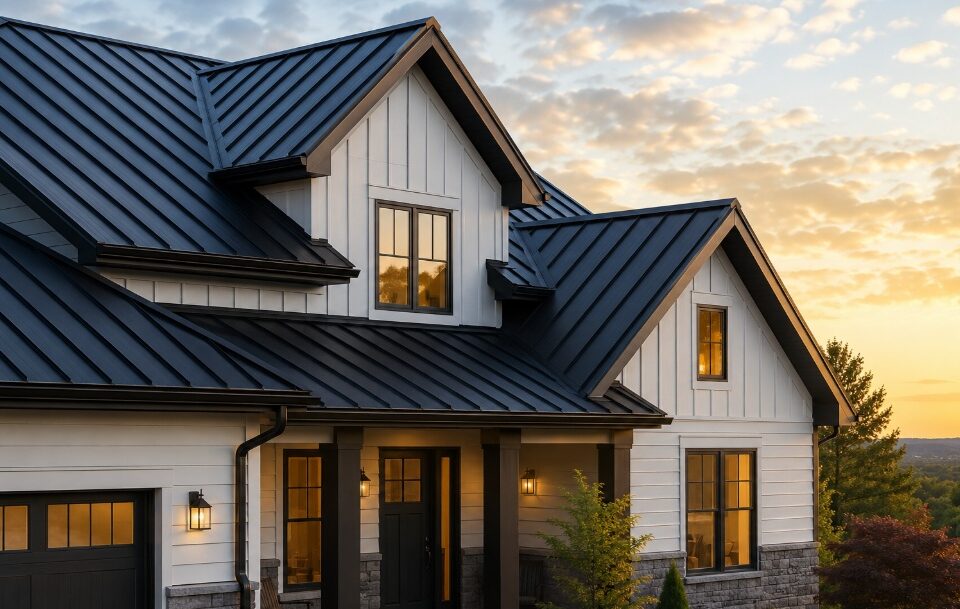
Homeowners researching these benefits often look for guidance on how roofing integrates with other systems. Resources such as how metal roofing combines style and functionality help clarify how modern materials support both performance and design goals without compromising either.
Architectural Styles Influencing Roofing Choices
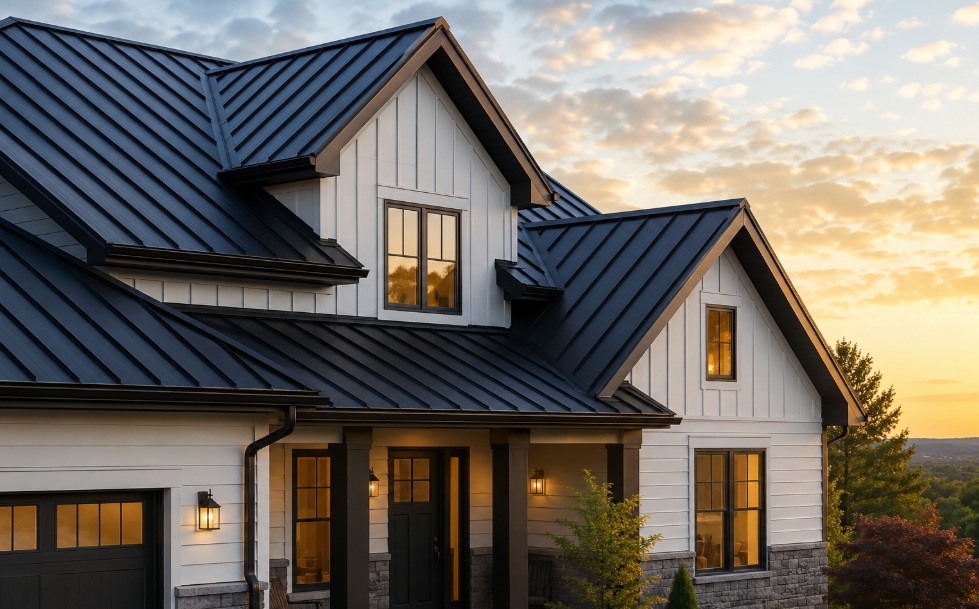
Residential architecture continues to influence roofing trends in meaningful ways. As home designs become more varied, roofing materials are expected to complement different styles while maintaining consistent performance. Homeowners want roofing that fits the visual language of their home without limiting durability.
This has led to increased interest in roofing profiles that offer depth, texture, and clean lines. These options allow roofs to integrate seamlessly with both traditional and contemporary designs. The result is a roofing system that feels intentional rather than purely functional.
Alongside appearance, homeowners value adaptability. Roofing systems that work well across multiple architectural styles give homeowners flexibility as neighborhoods evolve and design preferences shift. This balance of form and function defines many of today’s residential roofing decisions.
The Importance of Complete Roofing Systems
Another modern trend is a greater focus on roofing as a complete system rather than a single visible layer. Homeowners are learning that performance depends on how materials work together beneath the surface. Elements such as ventilation and moisture control play a critical role in long-term results.
Underlayment has become a key part of this conversation. Products designed for moisture resistance and thermal performance add an essential layer of protection beneath the roof covering. Solutions like advanced underlayment systems help support consistent performance while protecting structural components.
This systems-based approach reflects a more informed homeowner mindset. By understanding how each part contributes to overall performance, homeowners make decisions that support stability, efficiency, and confidence throughout the life of the roof.
Planning for the Future of Residential Roofing
Modern residential roofing trends show that homeowners are thinking long-term. Choices are guided by durability, efficiency, and adaptability rather than short-lived design preferences. This forward-thinking approach ensures that roofing systems continue to meet needs as homes and lifestyles evolve.
Education plays a major role in this process. Homeowners who take time to understand materials, system design, and performance expectations are better equipped to make informed decisions. Roofing is no longer viewed as a simple replacement but as a strategic part of the home.
As trends continue to develop, the emphasis remains on thoughtful planning and reliable solutions that align with how people live today and how they expect their homes to perform tomorrow.
Residential roofing decisions are most successful when they balance modern trends with proven expertise. As homeowners consider Santa Clara, CA roofing options, working with Cal-Pac Roofing provides clarity, experience, and guidance rooted in real-world performance. For those ready to plan a roofing solution that supports efficiency, design, and long-term confidence, scheduling a consultation through our contact page is the next practical step toward a smarter roofing decision.